 Cruzeiro Esporte Clube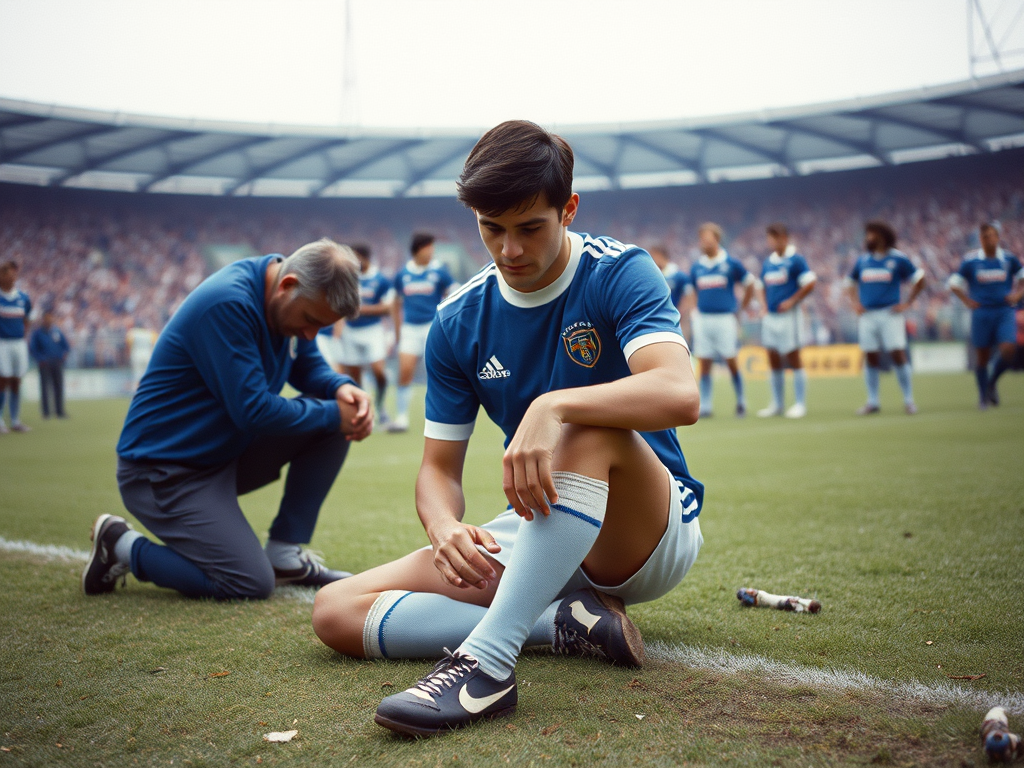
The 1976 Copa Libertadores was a milestone for Cruzeiro Esporte Clube, which sought to solidify its position as one of the powers of South American football. In the group stage, Raposa delivered an impeccable performance, convincingly qualifying for the semifinals, but the real challenge began in the knockout phase.
In the first leg of the semifinals, Cruzeiro faced Club Atlético River Plate, one of the giants of Argentine football. At the Monumental Stadium in Buenos Aires, Cruzeiro suffered a 1-0 defeat, and hopes of qualification seemed to fade. However, the team did not let themselves be disheartened and returned to Belo Horizonte determined to turn the situation around.
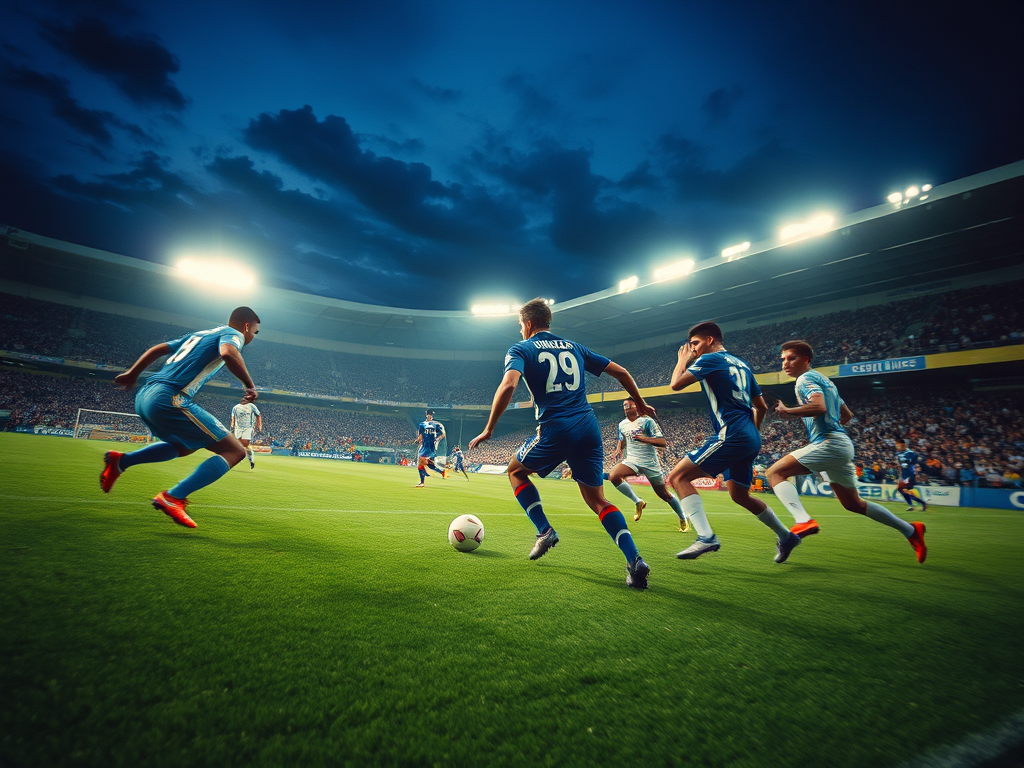
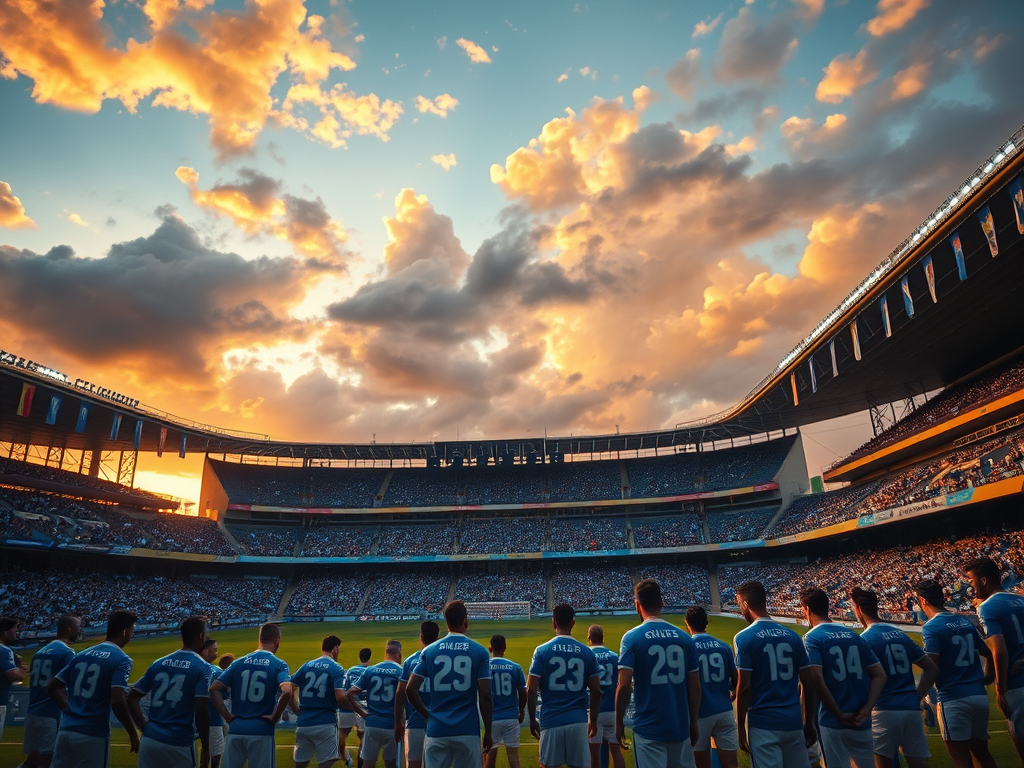
The return match, held at Mineirão, was marked by an electrifying atmosphere. The passionate and loyal Cruzeiro fans filled the stadium, creating an unparalleled support environment. Cruzeiro started the match with overwhelming intensity, and just 15 minutes in, striker Eduardo, one of the stars of the time, opened the scoring, igniting the match.
The pressure mounted, and Cruzeiro continued to attack with quick and engaging plays that left River Plate's defense in trouble. The second goal came from a perfect team play, where the star Palhinha assisted Tostão, who did not hesitate to find the back of the net. With this, Raposa turned the game around, equalizing the aggregate score and sending the match into extra time.
In extra time, Cruzeiro showcased their grit and determination. With a cohesive and focused team, they managed to score two more goals, one of them by young striker Ronaldo, who would become one of the club's idols. The match ended 4-0, securing Cruzeiro a spot in the Libertadores final.
The epic victory over River Plate was not just a sporting achievement; it was a symbol of Cruzeiro's strength and resilience. The team advanced to the final, where they would face Club Atlético Cruzeiro de Montevideo, eventually winning the Libertadores title in a memorable final. This historic campaign solidified Cruzeiro's reputation as one of the greatest clubs in Brazil and South America.
The comeback of 1976 remains alive in the memory of fans and is often recalled in conversations about the club's great moments. The ability to overcome adversity and demonstrate an unwavering spirit is a legacy that continues to inspire new generations of players and fans of Raposa.